
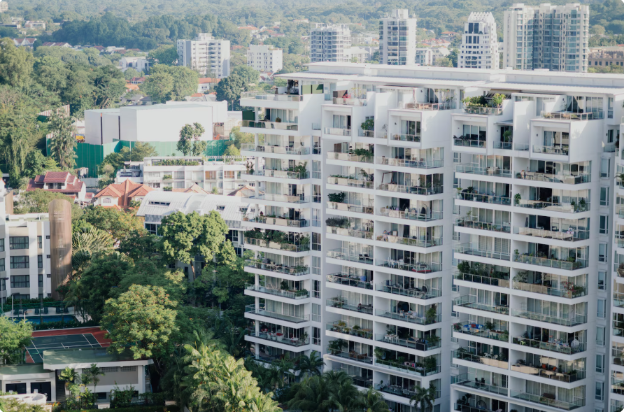

Living in a city often means making the most of limited space. Not everyone needs a huge backyard or a three-story house to feel comfortable. A well-designed multi-family building can give several households a convenient place to live while using urban land wisely.
When apartments have useful layouts, enough privacy, natural light, and access to practical shared spaces, residents can enjoy the benefits of city living without feeling like they are squeezed into a box.
Why Shared Housing Works
A multi-family building allows several households to live in one property, which can be a practical answer when land is limited. Instead of spreading homes across large areas, apartments make better use of available urban space.
This setup can also put residents closer to shops, schools, workplaces, parks, and public transportation. That can mean shorter trips and less time stuck in traffic. For someone who spends half the day commuting, that is no small victory.
Not everyone wants the work that comes with owning a large property either. Apartments can offer comfortable living without requiring residents to worry about maintaining a big yard or several floors of space.
Making Space Feel Personal
An apartment does not have to feel cramped just because it is smaller than a traditional house. Good design can make a surprisingly big difference. Natural light, sensible room layouts, useful storage, and private outdoor areas can all help a home feel more open.
A balcony can provide a little breathing room, while built-in storage keeps everyday clutter from taking over the sofa. Even the placement of windows can affect how bright and welcoming a room feels. Residents should have spaces where they can relax without constantly hearing or seeing their neighbors.
Planning a Multi-Family Building
Creating a multi-family building requires more thought than simply putting several apartments under one roof. Developers need to consider who will live there and what those residents will actually need. Parking, accessibility, shared areas, entrances, storage, and outdoor space all deserve attention during planning.
Safety and convenient access are important as well. A building might look impressive from the outside, but if residents struggle to reach their apartments, find parking, or use shared facilities, the design has missed the point. Good planning considers daily life, not just appearances.
Building Better Communities
Apartment living does not mean everyone has to stay behind their own front door. Thoughtfully designed shared areas can give neighbors opportunities to meet naturally. A small garden, courtyard, walking path, or comfortable entrance area can become a place for casual conversations.
These spaces can be especially useful for people who are new to an area. Saying hello to a neighbor while collecting mail or sitting outside can slowly turn unfamiliar faces into familiar ones.
Looking Beyond Four Walls
Good housing is about more than the apartment itself. Location, safety, convenience, comfort, and thoughtful design all affect how people experience their homes every day.
A well-planned multi-family development can give residents access to useful facilities and nearby services while making sensible use of limited urban land. It can also create opportunities for neighbors to connect without giving up personal space.