
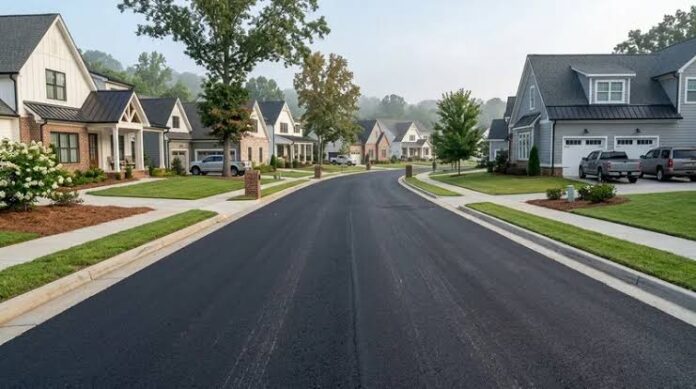

A properly paved driveway, parking lot, or private access road improves property functionality and creates a smoother surface for everyday vehicle movement. However, pavement must withstand more than regular traffic. Seasonal temperature changes, precipitation, moisture, and ground movement can gradually affect its condition. Choosing appropriate materials and construction methods is essential for maintaining a dependable surface.
Property owners in Rothschild, WI, should pay particular attention to local weather conditions when planning paving projects. Working with experienced paving contractors in Rothschild, WI helps ensure that site preparation, base construction, drainage, and asphalt placement receive appropriate attention. Understanding these elements also makes it easier to compare estimates and evaluate the quality of proposed work.
Evaluate Your Property’s Paving Requirements
Every paving project begins with understanding how the finished surface will be used.
A residential driveway generally accommodates passenger vehicles, while commercial parking lots experience greater traffic volumes and heavier vehicle loads. Industrial access areas may require additional structural support because of frequent truck movement.
Before planning construction, consider:
- Expected daily vehicle traffic.
- Types and weights of vehicles.
- Available installation space.
- Existing pavement condition.
- Drainage patterns.
- Connections to sidewalks and roadways.
- Accessibility and turning requirements.
These details help determine the appropriate pavement design and preparation methods.
Prepare the Ground for Long-Term Stability
A strong pavement surface requires a properly prepared foundation. If the underlying soil is unstable, the finished asphalt can develop depressions, cracking, and uneven areas.
Construction generally begins with removing unsuitable materials and preparing the subgrade. The area is then graded to establish the required elevation and drainage direction.
An aggregate base is installed and compacted to create a stable supporting layer.
The base design should account for soil conditions and expected traffic. Areas with weak or moisture-sensitive ground may require additional preparation before paving begins.
Property owners should request information about excavation depth, base material, and compaction procedures before approving a project. As a general planning reference, residential asphalt driveways are often built with about 2–3 inches of compacted asphalt over approximately 4–6 inches of compacted aggregate base, while heavier-use areas may require greater thicknesses. Final thickness should be based on soil conditions, drainage, expected loads, and the contractor’s site-specific design rather than a fixed rule.
Understand Asphalt Installation and Compaction
Asphalt paving involves placing a prepared mixture of aggregates and binder over a suitable base.
The mixture must be delivered, spread, and compacted under appropriate temperature conditions. Compaction equipment creates a dense pavement layer that supports traffic and limits excessive air voids.
The installation process typically includes:
- Preparing and grading the site.
- Installing and compacting the aggregate base.
- Applying a suitable tack coat where required.
- Placing the asphalt mixture.
- Compacting the pavement with appropriate equipment.
- Finishing edges and transitions.
- Inspecting the completed surface.
The required asphalt thickness depends on the intended traffic and site conditions. A driveway and a commercial parking area should not automatically receive identical pavement specifications.
After placement, the pavement should be allowed to cool and gain sufficient stability before regular vehicle traffic is permitted. The exact traffic-opening period depends on the mix, weather, pavement thickness, and site conditions, so property owners should confirm the contractor’s recommended cure or cooling period before using the new surface.
Why Drainage Is Especially Important in Wisconsin
Moisture management is one of the most important considerations for pavement durability in Rothschild.
Rainwater and melting snow can enter pavement cracks and reach the underlying layers. During freezing conditions, trapped moisture can expand and contribute to pavement deterioration.
Proper grading helps direct water away from paved surfaces and prevents persistent pooling.
A suitable drainage plan should consider:
- Surface slope and elevation.
- Water movement toward nearby structures.
- Drainage outlets and existing systems.
- Low areas that collect snowmelt.
- Pavement edges and adjoining landscaping.
Addressing drainage during initial construction is generally more effective than repeatedly correcting water-related problems afterward.
Recognize Common Asphalt Problems
Regular inspection helps property owners identify developing pavement damage.
Alligator cracking: Interconnected cracks resembling a reptile’s skin often indicate structural problems or inadequate support beneath the pavement.
Potholes: These depressions develop when damaged pavement breaks apart, often following moisture penetration and traffic stress.
Rutting: Longitudinal depressions along vehicle paths can result from repeated loading or inadequate pavement support.
Edge cracking: Damage near pavement boundaries can develop when edges lack sufficient support or experience moisture exposure.
Surface oxidation: Asphalt can gradually become brittle through exposure to sunlight, air, and weather.
Identifying the cause of damage is important because surface treatments alone cannot correct every structural problem.
Compare Contractors and Project Estimates
When evaluating paving contractors in Rothschild, WI, compare the proposed construction process rather than focusing only on the total price.
A detailed estimate should explain:
- Excavation and removal requirements.
- Subgrade preparation.
- Aggregate base specifications.
- Asphalt type and thickness.
- Compaction procedures.
- Drainage improvements.
- Project scheduling.
- Cleanup and finishing responsibilities.
Ask about experience with similar residential or commercial projects. Clarify whether the estimate includes material disposal, additional grading, and necessary transitions.
Written specifications make it easier to understand exactly what the project includes.
Maintain Your Pavement Through Seasonal Changes
Routine maintenance helps preserve asphalt and identify problems before they become expensive repairs.
Inspect the pavement after winter for cracks, potholes, and areas affected by snow removal. Address small cracks before water enters the underlying structure.
Keep drainage channels clear and avoid allowing standing water to remain on the surface.
Sealcoating can protect suitable asphalt against oxidation and moisture exposure. For many residential driveways and parking lots, sealcoating is commonly considered after approximately 2–5 years, depending on climate, pavement condition, and the quality of the original work. It can then be repeated as needed based on surface condition rather than following a rigid schedule.
Avoid excessive use of sharp snow-removal equipment that can damage pavement edges and surfaces.
Choose a Paving Solution Built for Local Conditions
Successful asphalt construction requires appropriate planning, quality materials, proper compaction, and effective water management. Property owners considering paving contractors in Rothschild, WI should prioritize these factors when selecting a paving solution.
Start by identifying your traffic requirements and evaluating existing ground conditions. Request detailed estimates, discuss drainage arrangements, and confirm the proposed pavement specifications.
Wisconsin’s asphalt paving season is also affected by temperature. WisDOT identifies May 1 through October 15 as the recommended paving period for the state’s Northern Asphalt Zone, while minimum temperature requirements also apply to asphalt placement. Scheduling should therefore account for local weather, surface conditions, and the contractor’s ability to maintain proper placement and compaction temperatures.
Take the next step toward a smooth, functional, and durable paved surface by choosing a construction approach suited to your property’s needs and Wisconsin’s changing weather conditions.