
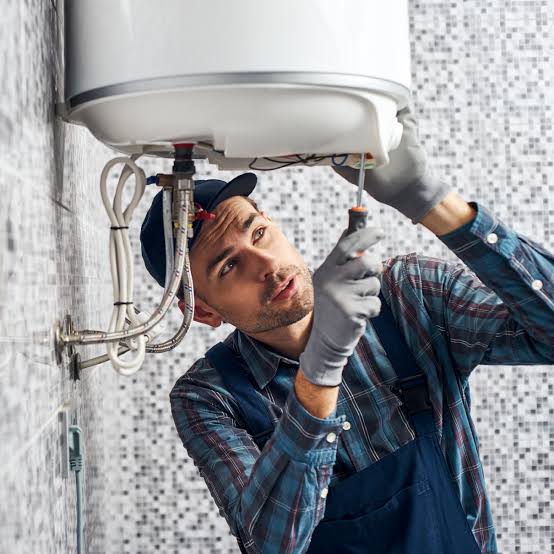

Water heaters typically display warning signs before failing completely. Cold showers, extended wait times for hot water, or unusual noises from the tank all indicate a developing problem. Scheduling water heater repair in Bellevue, NE, promptly prevents more extensive damage and costly repairs. Some basic checks are fine to do on your own, but gas lines, electrical components, pressure issues, and leaks are jobs for a professional.
1. No Hot Water or Water That Turns Cold Too Fast
Start by checking whether the problem affects all your fixtures or just one. For electric water heaters, a tripped circuit breaker is a common cause. Locate your breaker panel and reset the breaker once. If it trips again immediately, leave it off and schedule an inspection.
Gas units require a different approach. The pilot light or ignition system may have failed. Attempt a relight only if you are confident in the procedure and can follow the manufacturer’s instructions precisely. If you detect a gas odor near the unit, do not touch any switches or attempt to relight it. Get everyone out of the house and call your gas utility or 911 from outside.
Rapid depletion of hot water typically indicates an undersized tank for your household’s needs, or a worn heating element, thermostat, or dip tube. A qualified technician can determine the exact cause.
2. Rumbling, Popping, or Banging Sounds
Mineral sediment builds up along the bottom of the tank over time. As water heats, this sediment causes rumbling and popping sounds. It also forces the unit to work harder and shortens its service life. Periodic tank flushing can help, but follow the manufacturer’s maintenance instructions and never drain a hot tank or adjust valves you are unfamiliar with. If the noise persists after flushing, schedule a professional inspection.
Tankless heaters are also susceptible to this issue. Scale buildup can restrict flow and impair heating performance. Professional descaling typically resolves the problem when mineral buildup is the cause.
3. Leaks Around the Water Heater
Pooled water near your heater can come from a loose plumbing connection, a worn drain valve, a faulty pressure relief valve, or a corroded tank. Another common and overlooked cause is a missing or undersized thermal expansion tank. On closed plumbing systems, expanding hot water has nowhere to go, which forces the pressure relief valve to discharge repeatedly. If your relief valve drips after each heating cycle, a thermal expansion tank may be the fix rather than a valve replacement. Do not dismiss any leak as minor until the source is identified. Keep the area clear and stay away from any wet electrical components.
A leaking tank usually means replacement. Most traditional storage water heaters last eight to twelve years. If your unit is within that range or beyond it, repair costs are rarely justified. Internal corrosion cannot be repaired externally. Have a qualified plumber identify the source and review your options with you. Never cap or block the temperature and pressure relief valve. This valve exists to prevent dangerous pressure from building up inside the tank.
4. Lukewarm or Discolored Water
Water that fails to reach the desired temperature often results from a faulty thermostat, a failing heating element, or excessive sediment. Verify your temperature setting against the manufacturer’s recommendation, but do not open electrical panels or disassemble gas components yourself.
Brown or rust-colored water typically indicates corrosion inside the tank or in nearby pipes. One preventive measure worth asking your technician about is the anode rod, a sacrificial metal rod inside the tank that absorbs corrosive elements before they reach the tank wall. When it depletes fully, internal corrosion begins, and that damage cannot be undone. Replacing a worn anode rod on schedule is one of the few maintenance steps that meaningfully extends tank life. If the issue is isolated to a single faucet, the fixture itself may be the cause. If multiple taps dispense discolored water, have a professional inspect the system.
When to Call for Water Heater Repair in Bellevue, NE
DIY checks can help isolate the issue, but most internal repairs require specialized tools and expertise. Contact a licensed professional if your heater repeatedly loses power, fails to ignite, leaks, or cannot maintain a consistent temperature. Prompt water heater repair in Bellevue, NE, restores hot water service and identifies issues before they escalate into costly damage.
Conclusion
Fluctuations in water temperature, unusual noises, or discolored water indicate a developing issue with your heater. Perform only safe, basic checks yourself, and do not delay addressing leaks, recurring failures, or any gas-related concerns. Timely water heater repair in Bellevue, NE, protects your home and ensures your system operates safely and efficiently.