
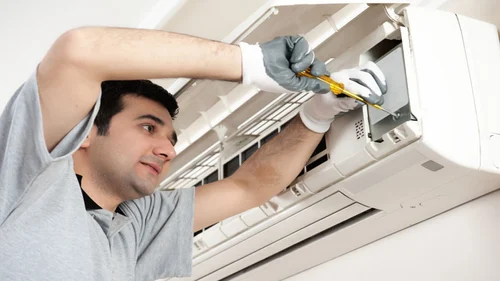

Air conditioning plays an important role in maintaining indoor comfort during the hot and humid months in Southeast Texas. A properly functioning cooling system regulates indoor temperatures, removes excess moisture, and circulates conditioned air throughout your home. However, continuous operation, dirty filters, electrical problems, and worn mechanical components can gradually reduce system performance. When cooling equipment struggles to maintain comfortable temperatures, your household can experience uneven cooling, increased energy consumption, and unnecessary discomfort.
Recognizing these problems early helps prevent more extensive equipment damage. Professional AC repair in Arthur, TX focuses on identifying the underlying cause of cooling issues and restoring reliable system operation. Understanding common air conditioner failures, warning signs, and maintenance requirements helps homeowners protect their equipment and maintain consistent indoor comfort.
Common Reasons Air Conditioners Stop Cooling Properly
An air conditioning system depends on several components working together. The compressor circulates refrigerant, the evaporator coil absorbs indoor heat, and the condenser releases that heat outdoors. The blower distributes cooled air through the ductwork.
A problem with any of these components can affect cooling performance.
Some common causes include:
Dirty air filters restricting airflow.
Refrigerant leaks affecting cooling capacity.
Frozen evaporator coils.
Faulty thermostats or temperature sensors.
Damaged capacitors and electrical connections.
Dirty condenser coils restricting heat transfer.
Malfunctioning blower motors.
Blocked condensate drain lines.
Some problems develop gradually, while others cause sudden system failure. Proper troubleshooting helps distinguish between a simple maintenance issue and a mechanical or electrical malfunction.
Warning Signs Your Air Conditioner Needs Repair
Paying attention to changes in system performance helps you recognize problems before the equipment stops working completely.
Warm Air From Supply Vents
If your air conditioner runs but produces warm or insufficiently cool air, possible causes include restricted airflow, refrigerant problems, compressor issues, or incorrect thermostat settings.
Unusual Operating Noises
Grinding, buzzing, rattling, and squealing sounds can indicate loose components, damaged fan motors, or electrical problems. Switching off the equipment when unusual mechanical noises develop helps prevent additional damage.
Frequent On-and-Off Cycling
Short cycling occurs when the air conditioner repeatedly starts and stops without completing normal cooling cycles. Dirty filters, oversized equipment, thermostat problems, and refrigerant-related issues can contribute to this behavior.
Water Around the Indoor Unit
Water near an indoor air handler can indicate a blocked condensate drain, damaged drain pan, or other drainage problem. Addressing the issue promptly helps protect nearby flooring and building materials.
Increasing Electricity Bills
A noticeable increase in cooling costs without a corresponding change in usage can indicate reduced system efficiency. Restricted airflow, dirty coils, and mechanical problems often force equipment to operate longer. When comparing newer systems, homeowners may also review the SEER2 (Seasonal Energy Efficiency Ratio 2) rating, which indicates cooling efficiency and can help compare the energy performance of different air conditioners.
Poor Humidity Control
An air conditioner should remove moisture from indoor air while cooling the home. If the indoor space feels damp or sticky even when the thermostat reaches the desired temperature, the system may have inadequate dehumidification, restricted airflow, improper sizing, or another performance issue. Persistent indoor humidity can make the home feel warmer and less comfortable and may warrant professional evaluation.
What Happens During Professional AC Repair?
A proper service visit begins with evaluating the complete cooling system.
A technician typically checks thermostat operation, electrical connections, air filters, blower performance, evaporator and condenser coils, refrigerant conditions, and condensate drainage.
After identifying the problem, the technician recommends the appropriate repair.
Depending on the findings, this could involve:
Replacing defective electrical components.
Cleaning accessible coils.
Repairing refrigerant leaks.
Clearing condensate drain restrictions.
Addressing blower motor problems.
Correcting airflow issues.
Repairing or replacing malfunctioning controls.
Refrigerant handling requires appropriate equipment and professional qualifications. Simply adding refrigerant without investigating a suspected leak does not resolve the underlying problem.
Maintenance Tips for Better Cooling Performance
Routine maintenance helps reduce unnecessary equipment strain during periods of heavy use.
Replace air filters: Inspect filters regularly and follow the equipment manufacturer’s replacement schedule. As a general guideline, many standard filters should be checked monthly and replaced about every 1–3 months, although homes with pets, allergies, or heavy dust may require more frequent replacement.
Keep outdoor equipment clear: Remove leaves, grass clippings, and other debris from around the condenser. Maintain adequate clearance for airflow.
Check thermostat settings: Confirm that the thermostat is set to cooling mode and that its temperature setting is appropriate.
Maintain drainage: Watch for water accumulation near the indoor unit and arrange service when condensate drainage becomes restricted.
Schedule seasonal inspections: Professional maintenance helps identify worn components, electrical concerns, and airflow restrictions before peak cooling demand.
When Is AC Replacement Worth Considering?
Repair remains practical when equipment has a manageable mechanical issue and sufficient remaining service life. However, replacement deserves consideration when an air conditioner is around 10–15 years old, experiences repeated failures, requires expensive repairs, or consistently struggles to cool the property. As a general rule, if a major repair approaches roughly 50% of the cost of a comparable new system, replacement may be worth evaluating, although the appropriate decision depends on equipment condition, efficiency, repair history, and expected remaining service life.
Compare equipment age, repair expenses, energy performance, and future maintenance requirements before making a decision.
Maintain Comfortable Indoor Temperatures in Arthur
Reliable air conditioning requires proper airflow, functioning electrical components, clean heat-transfer surfaces, and regular maintenance. Ignoring unusual noises, warm airflow, or repeated cycling can lead to more disruptive equipment problems.
If your cooling system is not performing properly, arrange professional AC repair in Arthur, TX. Schedule an inspection to identify the underlying issue and restore dependable indoor comfort throughout the warmer months.