

Heavy machinery represents one of the largest capital investments for any manufacturing plant or industrial facility. Ensuring these valuable assets operate efficiently over many years requires a proactive approach to care, maintenance, and material selection.
Equipment failures not only disrupt production schedules but also trigger exorbitant repair and replacement costs.
By implementing strategic upkeep protocols and upgrading vulnerable components, plant managers can significantly extend the operational life of their machinery. Below are six essential strategies to enhance the lifespan of your industrial equipment.
1. Protecting Vital Moving Parts With Premium Machine Lubricant
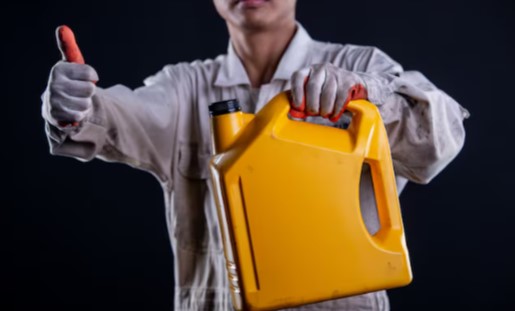
Friction is the primary cause of mechanical wear and tear, generating excessive heat that degrades internal components over time. Applying the appropriate grade of machine lubricant is essential to keep gears, bearings, and shafts moving smoothly under heavy operational loads.
Establishing a strict, routine lubrication schedule minimizes surface friction, reduces operating temperatures, prevents metal fatigue, and drastically extends the durability of your hardest-working mechanical assets.
2. Upgrading High-Wear Areas Using Durable Tungsten Carbide Metal
Industrial environments subject specialized tools and machinery surfaces to relentless abrasion, high impacts, and corrosive materials daily.
When manufacturing or retrofitting components exposed to extreme stress, integrating robust tungsten carbide metal provides unmatched surface hardness and wear resistance.
Utilizing these resilient materials in cutting edges, valves, and high-impact assemblies prevents premature degradation and ensures your heavy-duty machinery withstands the harshest operating conditions.
3. Implementing Proactive Preventive Maintenance Schedules
Relying on a run-to-failure strategy is a surefire way to shorten equipment lifespan and cripple production efficiency. Establishing a structured preventive maintenance calendar ensures that technicians service machinery regularly, regardless of whether a malfunction has appeared.
Routine tasks such as replacing worn seals, cleaning intake filters, checking fluid levels, and tightening electrical connections catch minor issues early, preventing them from turning into catastrophic failures.
4. Leveraging Predictive Diagnostics and Condition Monitoring
Modern industrial facilities increasingly rely on advanced diagnostic technologies to monitor machinery health in real-time. Utilizing tools such as vibration analysis, thermal imaging, and acoustic emission sensors allows maintenance teams to detect internal anomalies long before they cause physical damage.
Catching microscopic imbalances, bearing wear, or thermal hot spots early enables you to perform targeted repairs during scheduled downtime, safeguarding your equipment’s long-term health.
5. Ensuring Proper Operator Training and Operating Protocols
Even the most advanced engineering can fail prematurely if operators push machinery beyond its recommended design limits or mishandle daily controls.
Providing thorough and continuous training ensures that your floor staff understands proper startup procedures, load capacities, and daily shutdown protocols.
A well-trained workforce serves as your first line of defense, quickly spotting unusual noises or performance shifts and preventing operator-induced wear.
6. Maintaining an Organized Inventory of Critical Spare Parts
When a vital component finally reaches the end of its functional life, prompt replacement is critical to prevent secondary damage to surrounding systems. Keeping a well-organized inventory of high-turnover spare parts, filters, belts, and electrical fuses ensures your maintenance team can act immediately.
Partnering with reliable industrial suppliers and utilizing automated tracking systems eliminates repair delays, keeping your equipment running smoothly and reliably for years to come.