
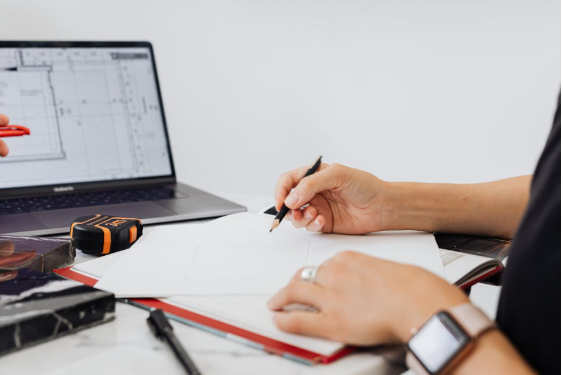

Embarking on a renovation journey requires thoughtful planning, especially when considering both the exterior and interior of your home. A well-executed plan ensures that your investment yields maximum returns in aesthetics, functionality, and value.
Before any hammers swing, it’s crucial to define your vision. Consider your home’s architectural style and how any proposed changes will complement or enhance it. A Victorian home, for example, would benefit from period-appropriate updates, while a mid-century modern might call for clean lines and natural materials. Equally important is understanding your neighborhood context. Renovations should align with the surrounding homes to maintain harmony and avoid over-improving or under-improving for the area.
Budget allocation is another foundational step. A clear financial roadmap helps prioritize projects and manage expectations. It’s wise to allocate funds not just for major structural changes but also for high-impact finishes and materials. For instance, when upgrading interior spaces like kitchens or bathrooms, selecting Quality granite for home renovations can be a significant investment that pays dividends in both appeal and durability.
Modern technology offers invaluable assistance in the planning phase. Virtual design tools and apps, such as Houzz, allow homeowners to visualize changes before they become permanent. These platforms boast millions of images from top designers, providing endless inspiration and the ability to test different styles, colors, and materials digitally. This virtual exploration can be particularly helpful for assessing structural integrity, ensuring that aesthetic changes don’t compromise the home’s foundational soundness.
When planning extensive projects, understanding the implications of project phasing is key. Homeowners often face the decision between a comprehensive whole-house makeover and more targeted upgrades. Each approach has distinct advantages and disadvantages regarding cost, disruption, and overall impact.
| Feature | Whole-House Exterior Makeover The first step in any renovation project is to develop a comprehensive plan. This includes considering the home’s architectural style, the neighborhood context, and your budget. Virtual design tools, like those offered by Houzz, can help visualize these changes before any physical work begins. We recommend starting with a clear vision for your desired outcome.
Balancing Home Exterior and Interior Renovations
A truly successful home transformation considers the seamless connection between the interior and exterior spaces. This means ensuring a smooth indoor-outdoor flow, cohesive material choices, and harmonious color transitions. For instance, a home in Park City, Utah, was dramatically opened up to its scenic surroundings by incorporating 22-foot sliding doors, allowing the lake views to become part of the living room. This exemplifies a mountain modern aesthetic, where natural elements and expansive views are prioritized. When the inside and outside of your home complement each other, the result is a unified and inspiring living environment.
Avoiding Common Renovation Pitfalls
Even with the best intentions, renovations can go awry if common mistakes aren’t avoided. Poor proportions, such as windows that are too small or too large for a facade, can significantly detract from a home’s appeal. Similarly, material mismatches, like combining disparate siding types or conflicting stone patterns, can create a disjointed look. It’s also crucial to avoid ignoring the historical context of your home; preserving original architectural elements while modernizing can maintain charm and increase value.
Careful color testing is essential, especially for exteriors. Paint samples should be viewed at different times of day and under various lighting conditions, as colors can appear dramatically different depending on the light. We advise painting a section of your actual home’s surface to see how the color truly interacts with its surroundings. Finally, always consider climate-specific durability when selecting materials. What works well in a dry, arid region might not withstand the humidity and precipitation of another.
Maximizing Curb Appeal and Property Value
The exterior of your home is its first impression, and it undeniably plays a significant role in its overall value. Statistics show that the exterior of a home can add as much as 20% to its value. Investing in exterior renovations, therefore, offers a substantial return. For example, exterior paint alone provides an impressive 141% return on investment, far surpassing the 80% ROI typically seen in kitchen remodels.
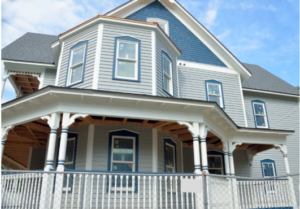
High-quality materials and professional installation are key to maximizing these returns. For durable and aesthetically pleasing upgrades, consider fiber-cement siding, which offers longevity and versatility in design. Architectural shingles not only protect your home but also add texture and depth to the roofline. Energy-efficient windows are a smart investment, improving both comfort and utility bills. Incorporating stone veneer accents can add a touch of sophistication and natural beauty. When considering significant exterior projects like roofing and siding, consulting with experts in Eagle River home exterior renovations can ensure quality craftsmanship and materials that stand the test of time.
High-ROI Exterior Projects
Beyond major overhauls, several targeted exterior projects offer excellent returns on investment and significantly boost curb appeal:
- Front Door Replacement: A new, stylish front door immediately enhances a home’s entrance, signaling warmth and welcome.
- Landscaping: Thoughtful landscaping, including well-maintained gardens, defined pathways, and mature plantings, creates an inviting atmosphere. Incorporating low-maintenance plants and hardscaping can ensure long-term appeal.
- Parged Brick: For brick homes, parging (applying a thin coat of mortar) can smooth and refresh the exterior, giving it a timeless, updated look.
- Lighting Upgrades: Strategic outdoor lighting not only improves safety and security but also highlights architectural features and creates ambiance.
- Garage Door Modernization: An updated garage door can dramatically improve the front facade, especially if it faces the street.
Modernizing Home Exterior and Interior Renovations with Accessories
Small details can make a big difference in modernizing your home’s exterior and interior. For exteriors, bold entry doors in colors like deep blues, emerald greens, or matte black can create a striking focal point. Layered outdoor lighting, including pathway lights, accent lights, and sconces, adds depth and sophistication. Window treatments, both inside and out, contribute to the overall aesthetic and can offer privacy and energy efficiency.
Inside, matte black hardware on doors, cabinetry, and fixtures provides a contemporary edge. Decorative grilles on windows can add architectural interest and a touch of elegance, seamlessly blending with both traditional and modern styles. These accessories, though seemingly minor, contribute significantly to a cohesive and updated look.
2026 Design Trends and Material Selection
Staying abreast of current design trends can help ensure your renovations feel fresh and relevant for years to come. For 2026, we’re seeing a strong emphasis on combining classic elements with modern twists, focusing on durability and natural aesthetics.
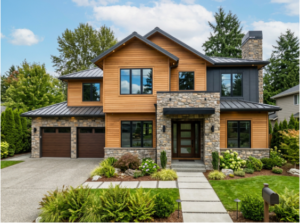
Light siding palettes remain popular, offering a clean and expansive feel. These are often paired with dark trim, such as black windows or deep gray accents, to create high contrast and define architectural features. Mixed-material siding is also a prominent trend, with homeowners combining textures like board-and-batten with traditional lap siding or cedar shakes. This adds rhythm and visual interest to facades. Natural textures, including wood and stone, continue to be favored for their warmth and organic appeal.
In terms of materials, sustainable options are gaining traction. Cool-roof technology, for example, helps reduce energy consumption by reflecting sunlight. Inside, white oak flooring offers a timeless yet contemporary look, while quartz surfaces are prized for their durability, low maintenance, and wide range of aesthetic options.
Popular Color Palettes for 2026
The color palettes for 2026 lean towards modern classics that offer both sophistication and versatility. High-contrast whites, often paired with black or dark gray accents, create a crisp and elegant exterior. Warm neutrals, ranging from soft beiges to muted grays, provide a welcoming and earthy foundation. We’re also seeing bolder choices emerge, with deep greens and moody purples being used for accent doors, shutters, or even entire facades, adding a touch of drama and personality. These colors can transform a bland exterior into a vibrant statement piece.
Integrating Natural Elements
Bringing natural elements into your home, both inside and out, is a timeless design principle that continues to evolve. Douglas fir accents, particularly for timber beams and mantels, add rustic charm and warmth to interior spaces. For exteriors, combining multiple stone types, such as Tennessee flagstone for flat applications or river rock for subtle texture, creates a unique and integrated look. Drystacked stone veneers can further accentuate natural colors and textures. Inside, incorporating timber beams in vaulted ceilings, as seen in many great room additions, creates a sense of grandeur and connection to nature. Even simple indoor greenery can enhance the natural, calming aesthetic.
Frequently Asked Questions about Home Renovations
Which renovations provide the highest return on investment?
Exterior renovations generally offer a higher return on investment (ROI) compared to many interior projects. For example, exterior paint can yield a 141% ROI, and improvements to curb appeal can add 20% to your home’s value. Targeted upgrades like replacing your front door, updating landscaping, or modernizing garage doors also provide excellent returns. While interior projects like kitchen remodels are valuable, their average ROI is typically around 80%.
How do I choose between a whole-house remodel and phased upgrades?
The decision between a whole-house remodel and phased upgrades depends on your goals, budget, and timeline. A whole-house makeover offers a cohesive look, faster completion, and potential cost savings through bundled services. It’s ideal if you plan to sell within 1-3 years or if major elements (siding, roof, windows) are over 20 years old. However, it involves significant disruption and a large upfront cost.
Targeted upgrades, conversely, allow for budget flexibility and less disruption, making them suitable if you plan to stay in your home for 10+ years or have urgent, specific needs. The drawback is potentially higher long-term costs due to repeated contractor mobilization and a risk of a “patchwork” appearance if not carefully planned. Prioritize targeted upgrades by focusing on elements like decks, siding, windows, and roofing in a strategic order to maximize impact.
What are the most common mistakes in exterior design?
Common mistakes in exterior design include poor proportions (e.g., mismatched window sizes, features that are too small or large for the facade), material mismatches that create a disjointed aesthetic, and ignoring the home’s architectural or historical context. Other pitfalls include poor color choices that don’t complement the home’s style or surroundings, and neglecting proper color testing under various lighting conditions. Failing to consider climate-specific durability for materials can also lead to premature wear and higher maintenance costs.
Conclusion
Undertaking home exterior and interior renovations is a journey that can profoundly enhance your living space and financial investment. By strategically planning, balancing interior and exterior elements, and avoiding common pitfalls, you can achieve a transformation that adds significant value, improves energy efficiency, and creates a home that truly reflects your lifestyle. Whether you’re aiming for long-term durability, a refreshed aesthetic, or a complete lifestyle enhancement, a professional consultation can guide you toward cohesive design execution and a successful renovation outcome.