

Home cooling systems work quietly in the background. Most people only notice them when something feels wrong. A room stays warm. The airflow becomes weak. Energy bills slowly climb higher every summer. These small signals often mean your cooling equipment is no longer operating efficiently.
Knowing the right time to upgrade helps homeowners save money and improve comfort. A well-timed decision can reduce energy costs, prevent frequent repairs, and keep indoor temperatures stable during the hottest months.
Signs Your Cooling System Is Losing Efficiency
Cooling equipment gradually loses performance over time. Dust buildup, worn components, and aging motors all reduce efficiency. The system may still run, but it needs more power to produce the same level of cooling.
One common sign is uneven temperatures across different rooms. Some areas feel comfortable while others remain warm. The system might also run longer than usual without reaching the thermostat setting.
Rising Energy Bills And Air Conditioning Repair Needs
A sudden increase in electricity bills often signals trouble with the cooling system. Even if usage habits remain the same, inefficient equipment can draw more power to maintain the same temperature.
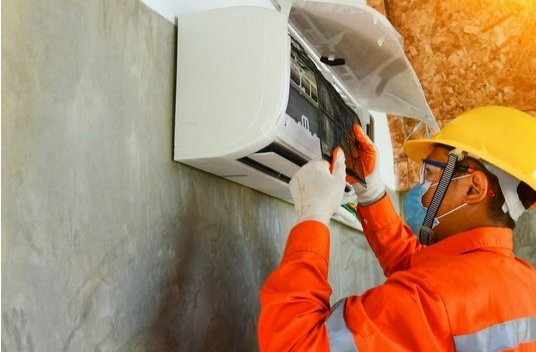
In many cases, homeowners begin scheduling frequent air conditioning repair visits. Professional air conditioning repair involves diagnosing and fixing problems in an existing cooling unit, such as replacing faulty capacitors, cleaning coils, or repairing compressors. These repairs restore function temporarily.
However, repeated service calls can quickly become expensive. When repair costs appear every season and energy bills continue rising, it may indicate that the system’s efficiency has already declined beyond practical repair.
Frequent Breakdowns And Air Conditioning Repair Limits
Mechanical systems naturally wear out. After years of use, parts begin to fail more often. A compressor may struggle to start. Fans can stop spinning smoothly. Refrigerant leaks may appear more frequently.
This pattern creates a cycle of repair, temporary improvement, and another breakdown. Eventually, the cost of repeated air conditioning repair approaches the price of a new unit. When reliability becomes unpredictable, homeowners usually begin considering replacement instead of continued repairs.
Aging Units And AC System Replacement Decisions
Cooling equipment typically lasts between ten and fifteen years. After that point, performance drops and maintenance becomes more frequent. Older units also operate with outdated technology and lower efficiency ratings.
This is where AC system replacement becomes a practical solution. AC system replacement means removing the old cooling equipment and installing a newer, more efficient unit designed to deliver better performance and lower energy consumption.
Modern systems often include improved compressors, variable-speed fans, and smart thermostat compatibility. These features allow the equipment to adjust cooling output more precisely.
Comfort Improvements After AC System Replacement
Upgrading to a new system can change the entire indoor environment. New equipment distributes air more evenly across rooms. It also controls humidity better, which makes the air feel cooler even at slightly higher temperatures.
Many modern units operate more quietly than older models. Advanced insulation and improved fan designs reduce noise levels significantly. This creates a calmer indoor atmosphere, especially during nighttime operation.
Conclusion
Home cooling equipment rarely fails overnight. Instead, it gradually loses efficiency through rising energy bills, uneven cooling, and repeated repairs. Recognizing these warning signs helps homeowners avoid ongoing maintenance costs and unexpected breakdowns.
When repairs become frequent and the system ages beyond its reliable lifespan, upgrading becomes the smarter choice. A modern cooling system improves comfort, reduces energy consumption, and restores dependable performance for years to come.