
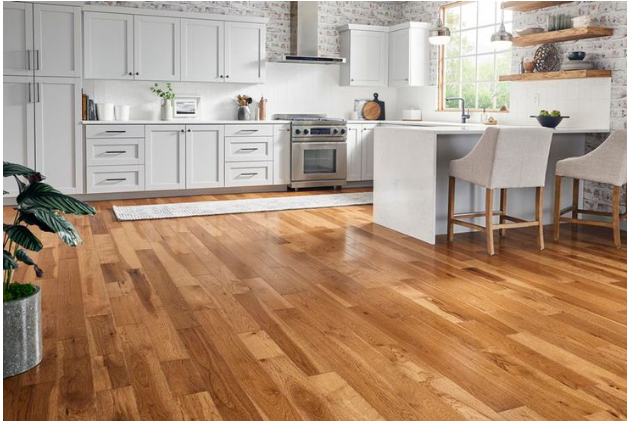

Hardwood flooring is one of the most desirable features in modern homes. It brings warmth, durability, and timeless appeal. Over time, however, even the best floors lose their shine due to scratches, stains, and daily wear. This is where hardwood floor refinishing becomes a smart solution. Instead of removing and replacing the entire floor, refinishing restores its original beauty. It is a practical approach that improves appearance while keeping costs under control. Homeowners increasingly prefer it because it balances aesthetics with financial sense.
Hardwood Floor Refinishing as a Cost Effective Upgrade
One of the biggest advantages of hardwood floor refinishing is its cost efficiency. Full floor replacement requires new materials, demolition, and installation, which can quickly become expensive. Refinishing, on the other hand, works with what already exists. The process involves sanding the surface, removing imperfections, and applying a fresh finish. This reduces material waste and labor costs significantly. For homeowners looking to upgrade their space without overspending, refinishing offers a high-impact transformation at a fraction of the price.
Hardwood Floor Refinishing and Preserving Original Wood Character
Many older homes feature hardwood floors made from high-quality, solid wood that is difficult to replace today. Professional hardwood floor refinishing helps preserve this original material instead of discarding it. Each plank carries unique grain patterns and natural character that add charm to a home. Refinishing enhances these natural features while removing years of damage. This process keeps the authenticity of the flooring intact. As a result, homeowners maintain the historical and aesthetic value of their interiors while still achieving a fresh, updated look.
Hardwood Floor Refinishing and Its Impact on Property Value
Investing in hardwood floor refinishing can directly influence a home’s market value. Buyers are often attracted to well-maintained hardwood floors because they signal quality and care. A refinished floor looks clean, modern, and move-in ready, which creates a strong first impression. In competitive real estate markets, this detail can make a noticeable difference. Instead of seeing worn or outdated flooring as a drawback, buyers see a polished surface that adds elegance. This can increase both buyer interest and potential selling price.
Comparing Hardwood Floor Refinishing with Full Replacement
When comparing hardwood floor refinishing with full replacement, the differences are clear. Replacement involves removing the entire floor structure, which can be time-consuming and disruptive. It also requires purchasing new hardwood, which may not match the quality of older materials. In contrast, refinishing enhances the existing structure without unnecessary demolition. It is also faster, meaning homeowners can return to normal use of their space sooner. While replacement is sometimes necessary for severely damaged floors, refinishing is often the more practical and sustainable choice.
Long Term Benefits of Hardwood Floor Refinishing for Homeowners
The long-term benefits of hardwood floor refinishing extend beyond immediate appearance. Properly refinished floors are easier to maintain and clean, reducing future maintenance efforts. A protective finish also adds resistance against scratches, moisture, and everyday wear. This extends the lifespan of the flooring by many years. Homeowners also enjoy the flexibility of updating the finish style whenever design trends change.
Conclusion
Hardwood floor refinishing stands out as a practical and value-driven solution for homeowners who want to improve their living spaces without unnecessary expense. It preserves the natural beauty of original wood, enhances property value, and delivers long-lasting durability. Compared to full replacement, it is more affordable, less disruptive, and environmentally responsible. By choosing refinishing, homeowners achieve a refreshed, elegant look while protecting their investment for years to come.