
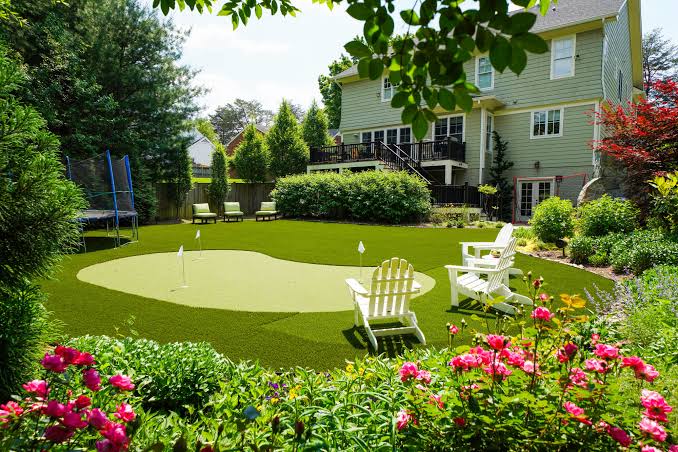

A healthy lawn improves outdoor appearance, creates usable recreational space, and provides an attractive setting around residential and commercial properties. However, establishing thick, consistent grass requires more than spreading seed or placing turf over existing ground. Soil preparation, grass selection, installation timing, and proper watering all influence how successfully a lawn develops.
For property owners in Winchester, VA, professionally grown turf offers a practical way to establish a lawn more quickly than starting entirely from seed. Before selecting a turf farm in Winchester, VA, consider the grass varieties suited to your property, the amount of sunlight available, and the maintenance your lawn will require throughout the year.
Why Choose Sod Instead of Starting From Seed?
Sod consists of established grass and a layer of soil held together by roots. It arrives in rolls or sections that can be installed over properly prepared ground.
One major advantage is immediate surface coverage. Instead of waiting for grass seed to germinate and fill bare areas, sod provides an established green surface once installation is complete.
Other benefits include:
- Faster lawn establishment.
- Reduced exposure of bare soil to erosion.
- More uniform initial grass coverage.
- Earlier use of the lawn after proper establishment.
- Greater control over the selected grass variety.
However, sod still requires careful installation and watering. Grass that is not properly connected to the underlying soil can dry out or develop uneven growth.
Select Grass Varieties for Winchester’s Climate
Winchester experiences seasonal temperature changes, making grass selection particularly important.
Cool-season grasses are commonly used in this region because they grow actively during cooler periods of the year. Common choices include:
Tall fescue: This grass is popular for its relatively deep root system and ability to tolerate moderate heat and periodic dry conditions once established.
Kentucky bluegrass: Known for its attractive color and spreading growth habit, it produces a dense lawn under suitable conditions. It generally requires consistent moisture and appropriate maintenance.
Perennial ryegrass: This variety establishes relatively quickly and is sometimes included in grass mixtures to support faster coverage.
The best choice depends on sunlight, soil characteristics, expected foot traffic, irrigation availability, and maintenance preferences.
Prepare the Soil Before Installing Turf
Proper ground preparation determines how well sod establishes.
Start by removing existing weeds, unwanted grass, rocks, and construction debris. If the soil is compacted, loosening it helps create a better environment for root development.
A soil test can identify pH levels and nutrient conditions. Based on the results, appropriate soil amendments can be incorporated before installation.
Important preparation steps include:
- Remove existing vegetation and debris.
- Address compacted soil.
- Add suitable topsoil where necessary.
- Incorporate recommended amendments.
- Establish proper grading.
- Lightly firm the prepared surface.
- Moisten the soil before placing sod.
The finished grade should direct water away from buildings while avoiding depressions that collect excess moisture.
Install Sod With Proper Alignment
Fresh sod should be installed promptly after delivery. Delayed installation can cause the grass to heat up, dry out, and lose quality.
In Winchester, cool-season sod is generally best installed during the spring or fall when temperatures are more favorable for root establishment. Avoid laying sod when the ground is frozen or during periods of extreme heat or drought unless adequate irrigation is available.
Begin along a straight edge, such as a driveway or property boundary. Place adjoining pieces closely together without overlapping them.
Stagger seams between rows, similar to the arrangement of bricks. This reduces the appearance of continuous joints and helps create a more uniform surface.
Trim sections carefully around trees, pathways, garden beds, and other obstacles. Once installation is complete, lightly roll the lawn if appropriate to improve contact between the sod roots and prepared soil.
Follow a Consistent Watering Schedule
Water management is especially important during the first few weeks after installation.
During the first week, water newly installed sod deeply enough to keep the sod and underlying soil consistently moist, often requiring about 1 inch of water per day depending on weather and soil conditions. During the second week, watering can generally be reduced as roots begin to knit into the soil, while still preventing the turf from drying out. After establishment, gradually reduce frequency and encourage deeper root development rather than maintaining frequent shallow watering.
Newly installed sod requires sufficient moisture to prevent the root layer from drying out. Watering should moisten both the sod and the soil underneath without creating standing water.
Check the edges and seams regularly because these areas often dry faster than the center of a newly installed section.
As roots establish, gradually adjust watering frequency while encouraging deeper root development.
Avoid following a rigid watering schedule without considering rainfall, temperature, soil drainage, and actual moisture conditions.
Maintain Your Lawn After Establishment
Once the sod has rooted sufficiently, regular lawn care supports healthy growth.
Mow when the grass reaches the appropriate height for its variety. Avoid removing too much leaf material in one cutting. For tall fescue, the first mowing is generally appropriate once the sod has rooted firmly enough that it does not lift from the soil when gently tugged, typically around two to three weeks after installation. Maintain a mowing height of about 3 to 4 inches.
Other useful maintenance practices include:
- Keeping mower blades sharp.
- Applying fertilizer according to soil needs.
- Controlling weeds before they spread.
- Monitoring for insect activity and disease.
- Aerating compacted areas when necessary.
- Adjusting irrigation during seasonal weather changes.
Tall fescue lawns, for example, generally benefit from fall maintenance and appropriate watering during hot summer conditions.
Create a Lawn That Suits Your Property
Choosing quality turf from a turf farm in Winchester, VA involves understanding grass varieties, soil preparation, installation procedures, and long-term maintenance requirements.
Sod is commonly ordered by the pallet, and pallet coverage varies by supplier and sod product. Ask the farm how many square feet are included on each pallet before calculating how much turf your property requires.
Evaluate your property’s sunlight, soil conditions, and expected lawn usage before selecting sod. Ask about grass variety, harvesting freshness, delivery arrangements, pallet coverage, and installation recommendations.
Start with proper preparation and follow a consistent establishment routine to develop a healthy, attractive lawn that complements your Winchester property.