
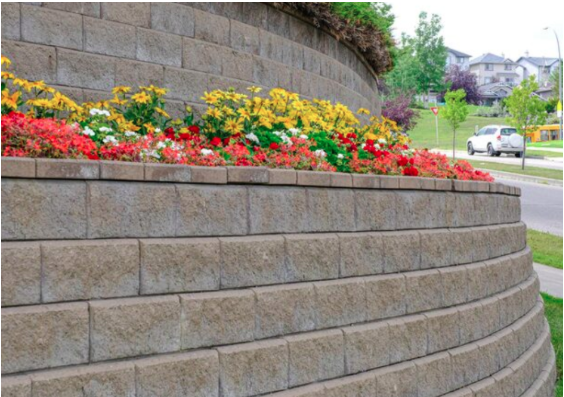

A retaining wall is a critical structural element that serves both functional and aesthetic purposes in a residential landscape. Whether you are looking to prevent soil erosion, manage a sloped yard, or create tiered garden beds, the integrity of the structure depends entirely on the quality of its engineering.
Choosing the right professional for a retaining wall design is a decision that impacts the safety of your property and the long-term value of your home.
Homeowners must look beyond surface-level beauty and evaluate technical expertise, material knowledge, and site-specific planning to ensure a successful project.
Analyzing Soil Composition and Pressure Dynamics
The most important technical factor in a retaining wall design is an understanding of the soil it will hold back. Different soil types, such as heavy clay or loose sand, exert varying levels of lateral pressure against a structure.
A professional designer will conduct a thorough site analysis to determine the weight and density of the earth. This data is essential for calculating the necessary thickness and reinforcement of the wall.
Without this scientific approach, a wall may eventually lean or collapse under the sheer force of the saturated soil.
Prioritizing Efficient Drainage Solutions
Water is the primary enemy of any stone or concrete structure. When rainwater accumulates behind a wall, it creates hydrostatic pressure that can overwhelm even the strongest materials. When evaluating a retaining wall design, you must ensure that the plan includes comprehensive drainage features.
This typically involves using perforated pipes, weep holes, and a backfill of clean gravel. A well-designed drainage system allows water to flow away from the structure, preventing the buildup of pressure and protecting the wall from damage during heavy storms.
Selecting Durable and Harmonious Materials
The materials used for your wall should be chosen for both their structural strength and their ability to complement your home’s exterior. Options range from poured concrete and interlocking blocks to natural stone and timber.
A professional retaining wall design service will help you navigate these choices based on your budget and the height requirements of the wall.
For taller structures, heavy-duty materials like reinforced concrete or large stone boulders are often necessary to provide the required stability and resistance against the earth.
Navigating Local Building Codes and Permits
Residential construction is often governed by strict local regulations regarding wall height and placement. In many jurisdictions, any wall exceeding a certain height requires a permit and an engineered seal of approval.
An experienced designer will be familiar with these legal requirements and will ensure that your retaining wall design complies with all safety standards.
Obtaining the correct permits not only ensures the safety of the project but also prevents legal complications or fines that could arise during a future home sale.
Evaluating Long-Term Maintenance Requirements
Different styles of walls require varying levels of upkeep over the years. For example, timber walls may be susceptible to rot and insects, while stone or concrete blocks offer much higher durability.
Your designer should provide clear information on how to maintain the structure, including checking for signs of shifting or ensuring that drainage outlets remain clear.
A high-quality design focuses on longevity, aiming to create a structure that remains beautiful and functional for decades with minimal intervention from the homeowner.